

Testosterone replacement therapy (TRT) is a hormone replacement therapy used to treat men who have a deficiency in the hormone testosterone. TRT can help to improve a variety of symptoms, including fatigue and low libido.
However, there are potential side effects that can occur with TRT, including hair loss. In this article, we will explore the potential connection between TRT and hair loss, as well as how to potentially prevent and treat hair loss caused by TRT.
What is Testosterone Replacement Therapy?
Testosterone replacement therapy (TRT) is a form of hormone therapy that helps to replace the hormone testosterone in men who have a deficiency. Testosterone is a hormone that is important for a variety of bodily functions, including sex drive, muscle mass, and energy levels.
TRT is typically prescribed by a doctor and can help to improve a variety of symptoms, including fatigue, low libido, and decreased muscle mass. TRT may be administered as injections, patches, gels, or pellets.
What is Hair Loss?
Hair loss is a condition that affects many people, both men, and women. It is characterized by the thinning or complete loss of hair, usually occurring in a pattern.
Hair loss can be caused by a variety of factors, including genetics, hormones, and certain medical conditions. It can also be caused by certain medications or treatments, including TRT.
Does Testosterone Replacement Therapy Cause Hair Loss?
The short answer is yes, TRT can cause hair loss. As testosterone levels increase in the body, it can lead to an increase in the production of a hormone called dihydrotestosterone (DHT). DHT is a hormone known to cause hair loss in men, and the increase in DHT caused by TRT can lead to hair loss.
TRT can also cause an increase in the production of sebum, which can clog the hair follicles and lead to hair loss.
How to Prevent Hair Loss Caused by Testosterone Replacement Therapy
The best way to prevent hair loss caused by TRT is to take steps to try and reduce the production of DHT. This can be done in multiple ways, including taking medications such as finasteride, using topical treatments such as minoxidil, and avoiding certain foods and medications that can increase the production of DHT.
However, it is important to note that these methods may not be effective for everyone, and it is important to talk to your doctor to determine the best course of action for you.
Can Hair Grow Back After Testosterone Replacement Therapy?
It is possible for hair to grow back after TRT, but it is important to note that this is not a guarantee. The rate of hair growth will vary from person to person, and it is important to talk to your doctor to determine the best course of action for you.

Keep in mind that hair loss caused by TRT may be permanent, and the best way to prevent it is to take steps to try and reduce the production of DHT.
How to Treat Hair Loss Caused by Testosterone Replacement Therapy
The best way to treat hair loss caused by TRT is to take steps to try and reduce the production of DHT. This can be done in various ways, including taking medications such as finasteride, using topical treatments such as minoxidil, and avoiding certain foods and medications that can increase the production of DHT.
It is also important to note that hair transplantation may be an option for those who are experiencing hair loss caused by TRT. However, it is important to talk to your doctor to determine the best course of action for you.
Natural Remedies for Testosterone and Hair Loss
There ia a variety of natural remedies that may be helpful for those dealing with hair loss caused by TRT. These include eating a diet rich in vitamins and minerals, avoiding processed foods, and taking supplements such as biotin and saw palmetto.
Additionally, it is important to make sure to exercise regularly and get enough sleep, as these can help to promote healthy hair growth.
Supplements to Help With Testosterone and Hair Loss
Some supplements may be helpful for those dealing with hair loss caused by TRT. These include biotin, saw palmetto, and omega-3 fatty acids. Additionally, there are a number of herbs that may be helpful, such as green tea extract and ginseng.
Talk to a doctor before taking any supplements, as they may interact with other medications or treatments.
The Importance of Proper Diet and Exercise for Testosterone and Hair Loss
It is important to maintain a healthy diet and exercise regularly in order to keep testosterone levels in balance. A diet that is rich in fruits, vegetables, and lean proteins can help to promote healthy hair growth, as well as provide the body with the essential vitamins and minerals it needs.
Regular exercise can help to boost testosterone levels and promote healthy hair growth.
Conclusion
Testosterone replacement therapy (TRT) can be a helpful treatment for those who have a deficiency in the hormone testosterone. However, it is important to be aware of the potential side effects, including hair loss.
In this article, we have explored the potential connection between TRT and hair loss, as well as how to potentially prevent and treat hair loss caused by TRT. If you have any questions or concerns, don’t hesitate to ask your questions to our doctors.
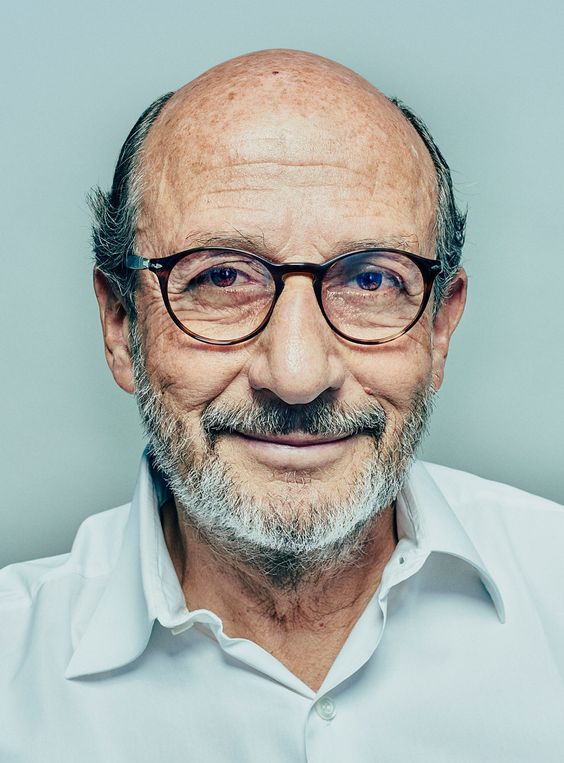
Dr. Donald Parkers is a highly accomplished and revered medical professional with a distinguished career spanning over three decades in the field of endocrinology. His unwavering dedication to understanding the intricate workings of the endocrine system and its profound impact on human health has positioned him as a leading hormone expert and a trusted authority in his field.
Education and Training
Dr. Donald Parkers embarked on his journey in medicine by earning his Bachelor of Science degree in Biochemistry from Oxford, where he demonstrated exceptional academic prowess.
Driven by a passion for endocrinology, Dr. Miller pursued advanced training in the form of a highly competitive residency program in Internal Medicine at Hospital of Saint Marie. During this period, he showcased remarkable clinical skills and a deep understanding of the complexities of human physiology.
Specialization in Endocrinology
Fuelled by his fascination with hormones and their profound influence on health, Dr. Donald Parkers embarked on a rigorous fellowship program in Endocrinology, Diabetes, and Metabolism. Under the guidance of esteemed mentors, he delved into cutting-edge research and gained hands-on experience in the management of complex endocrine disorders.
Clinical Excellence
Dr. Donald Parkers is renowned for his exceptional clinical acumen and unwavering commitment to patient care. Patients under his care commend his compassionate approach and the personalized treatment plans he devises to address their unique hormonal needs.
His clinical practice specializes in the diagnosis and management of a wide spectrum of hormone-related conditions, including diabetes, thyroid disorders, adrenal dysfunction, and hormonal imbalances. Dr. Donald Parkers’s comprehensive approach entails meticulous evaluations, precise diagnostics, and evidence-based treatment strategies, all delivered with a patient-centric focus.